

Gin and Tonic
Unarguably the most convenient of all British classics that’s as simple and satisfying as a well-timed “cheerio”, as refreshing as a cold shower and as reliable as the Queen’s guard.
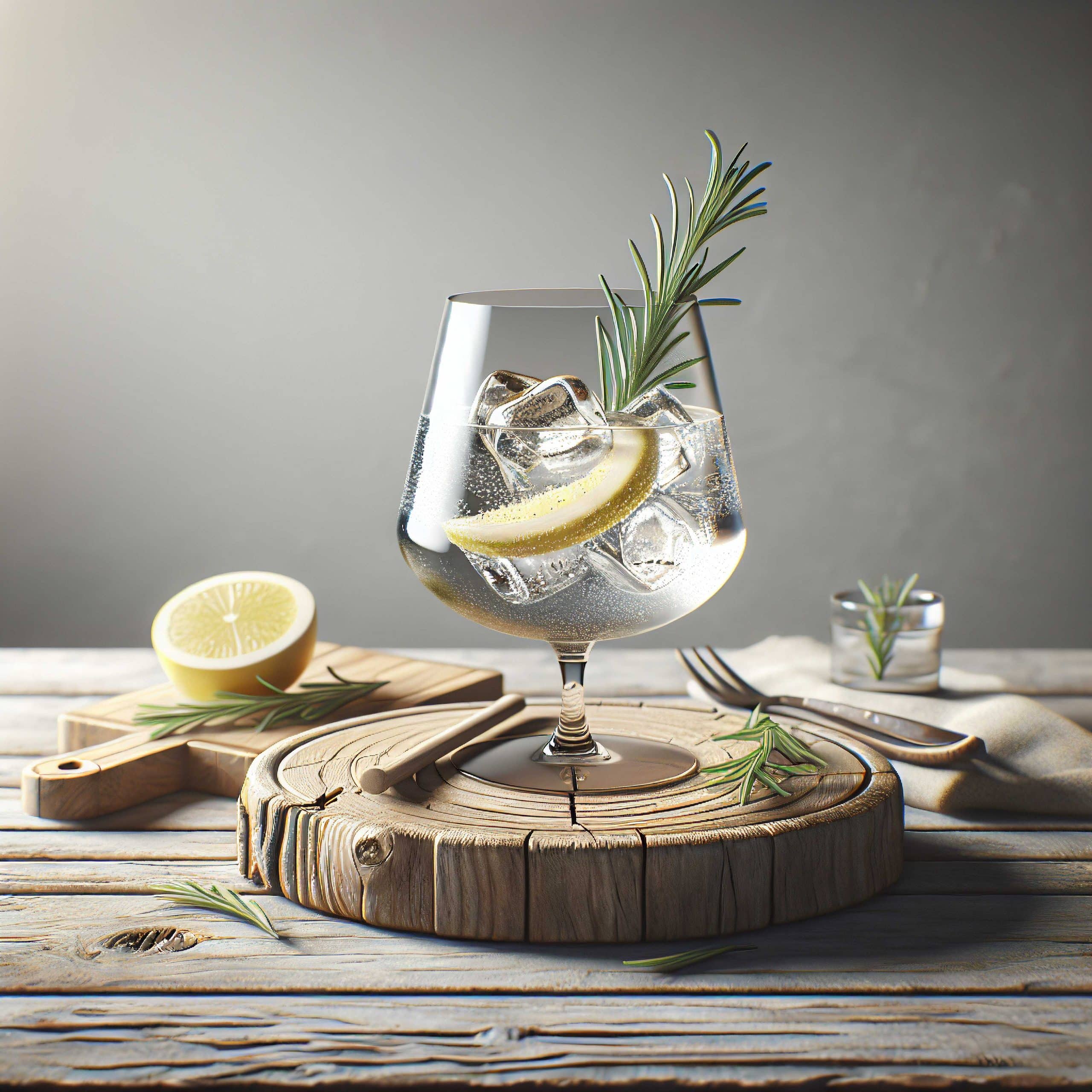
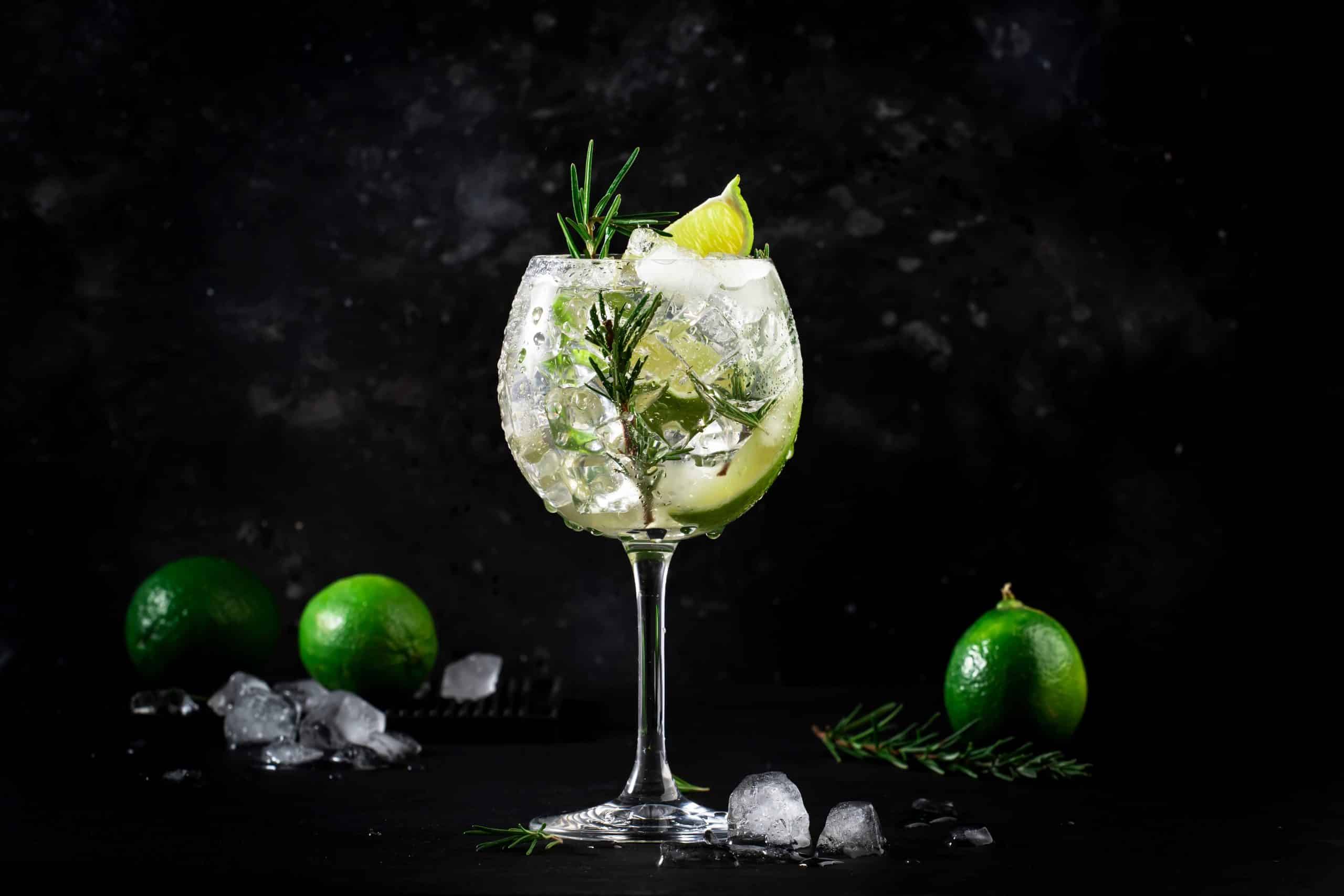
Take a moment to admire your creation. You’ve just created a G&T crafted with the precision of a scientist mixing potions, but with the enthusiasm of a child building a sandcastle. It’s the kind of drink that whispers, “Relax, you’ve earned it,” as you take that first sip and feel the cares of the day melt away faster than ice on a summer sidewalk. Cheers!
Ingredients
2 oz Gin
Tonic Water
Suggested Garnish: Lime Wedge
Suggested Glass: Copa Balon Glass/ Highball Glass/ Rocks Glass
Pour gin into a glass filled with ice, top with tonic water, and stir gently.
Garnish with lime wedge.
Revelations:
The history and origin of the Bloody Mary are as colorful as the cocktail itself. While the exact details are debated, one popular theory credits Fernand Petiot, a bartender at Harry’s New York Bar in Paris during the 1920s, with its creation. Legend has it that Petiot mixed vodka with tomato juice and spices, naming it after Queen Mary I of England, known for her bloody reign. Another version attributes the drink’s invention to the St. Regis Hotel in New York City in the 1930s. Regardless of its precise origins, the Bloody Mary’s popularity grew steadily, becoming an iconic brunch cocktail celebrated for its bold flavors and alleged hangover-curing properties.
Interesting facts
While vodka is a key ingredient in the Bloody Mary today, the original recipe likely used gin.
Different countries put their spin on the Bloody Mary, resulting in variations like the “Bloody Caesar” in Canada (made with clamato juice), the “Michelada” in Mexico (includes beer), and the “Red Snapper” in Japan (uses gin instead of vodka).
Revelations:
The history of the gin and tonic is intertwined with exploration, medicine, and a quest for refreshment. In the 18th century, British soldiers stationed in India were introduced to quinine, a bitter compound derived from the cinchona tree, known for its ability to combat malaria. To make the medicine more palatable, they mixed quinine with water, sugar, lime, and gin, thus creating the precursor to the modern gin and tonic. This concoction not only provided a refreshing drink in tropical climates but also helped prevent malaria, earning it the nickname “Indian Tonic.” Over time, the drink’s popularity spread beyond military circles, becoming a beloved classic enjoyed worldwide for its crisp and invigorating flavors
Interesting facts
In recent years, there has been a “ginnaissance,” with a resurgence of craft gin distilleries and creative gin-based cocktails, proving that the love for gin and tonic is timeless and ever-evolving.
Gin has been the subject of many humorous jokes and puns, such as “Gin-ius at Work,” “Gin-tervention Needed,” and “Gin & Bear It.”